
Spanish Olive Groves Double as 3.65 MW Solar Power Plant

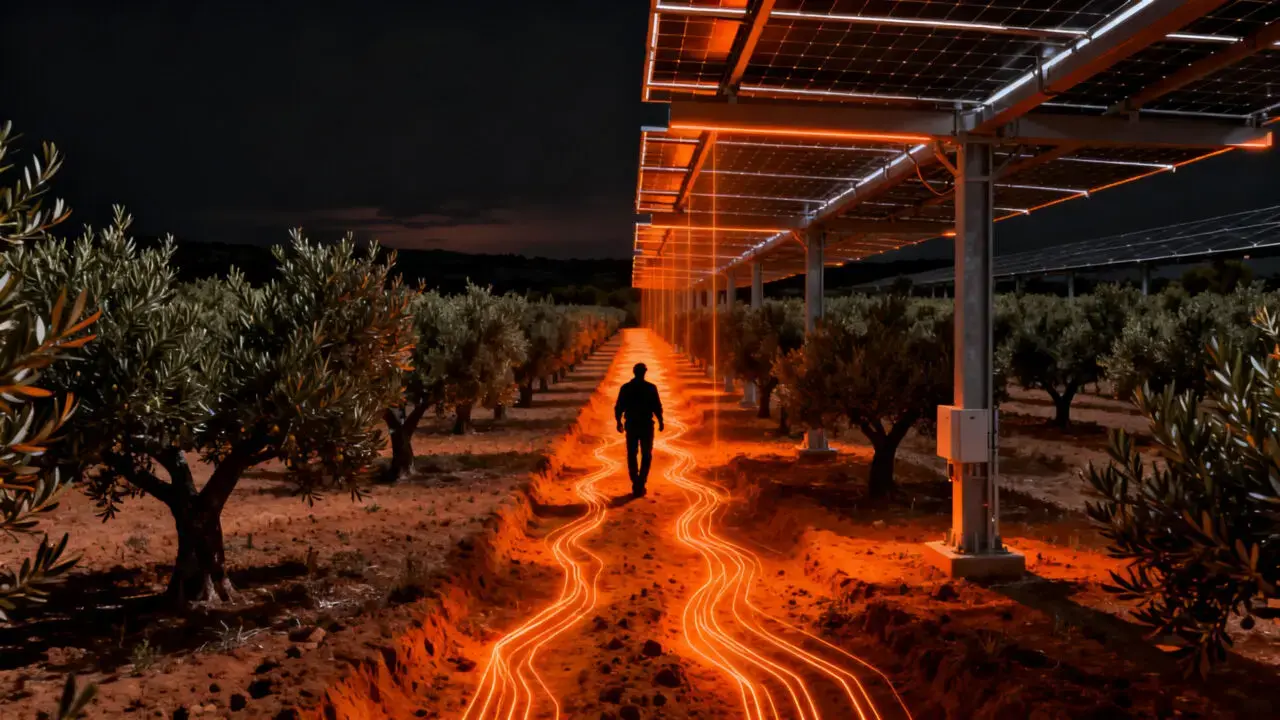
Acesur, a prominent Spanish olive oil producer, has launched a pioneering agrivoltaic project at its Vilches facility in Jaén, Spain, by installing a massive solar power plant directly above its existing olive trees. Developed by the Granada-based firm Greening, the 3.65 MWp installation utilizes over 5,150 solar panels elevated four meters high to ensure that agricultural production remains undisturbed. This innovative initiative, supported by a 2.8 million euro grant from the Institute for Energy Diversification and Saving (IDAE), aims to supply nearly 95% of the adjacent bottling plant’s electricity requirements while preserving every single tree on the plantation.
- The project features 5,150 solar panels elevated four meters high to accommodate mechanical harvesting equipment.
- A 3 MWh battery system stores energy to meet approximately 95% of the bottling facility’s annual electricity needs.
- The University of Jaén monitors the site to evaluate how partial shading affects olive yield and soil temperature.
- Turkish legislation currently maintains strict protections for olive groves against industrial and energy developments.
Elevated Panels Allow Harvesting Machinery to Pass Underneath
The technical design of the Vilches plant is specifically tailored to the requirements of modern olive farming. By mounting 5,150 solar panels on steel pillars anchored in concrete, the developers have successfully raised the energy infrastructure to a height of four meters. This specific elevation is critical because the harvesting machinery used in the Jaén region typically reaches a height of 3.5 meters. These machines operate by gripping and shaking the tree trunks to release the fruit, and the elevated structure ensures they can maneuver freely throughout the grove without any risk of collision.
To complement the power generation, the site includes a 3 MWh battery storage system. This allows Acesur to manage its energy consumption more effectively, targeting a near-total reliance on renewable energy for its industrial bottling operations. The financial viability of the project was bolstered by the IDAE, which provided 2.8 million euros in funding to support this integration of clean energy and traditional agriculture. 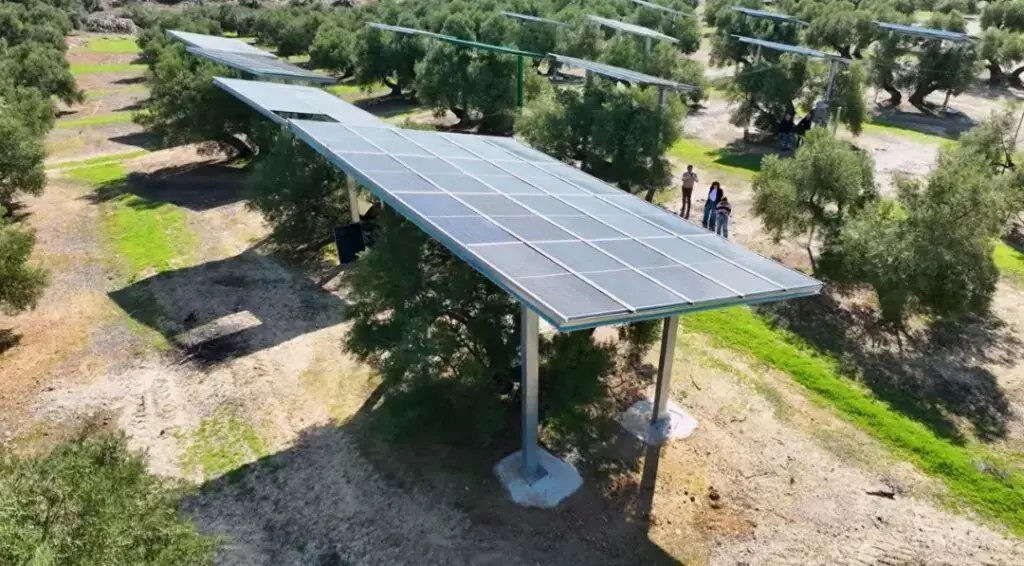
Researchers Study How Shading Affects Olive Fruit Yields
One of the primary concerns for agrivoltaic systems in Mediterranean climates is whether the shade from the panels will negatively impact the trees. Olive trees are well-adapted to intense sunlight, and their physiological response to shade varies depending on the growth stage. Previous research conducted in Argentina suggests that shading during the fruit-set period can reduce the number of olives, while shading during the oil accumulation phase can lower the final oil content. However, shading during the intermediate stage of pit hardening appears to have no significant effect on the ultimate yield.
To mitigate these risks, the solar power plant in Jaén uses a design that spaces panels out to allow shifting sunlight to reach the trees throughout the day. In extremely hot and arid regions, this partial shade may actually provide a benefit by cooling the soil and reducing evaporation. Simulation data suggests that soil temperatures under the panels could drop by as much as 13 to 15 degrees Celsius during the peak of summer, potentially helping the trees cope with heat stress. 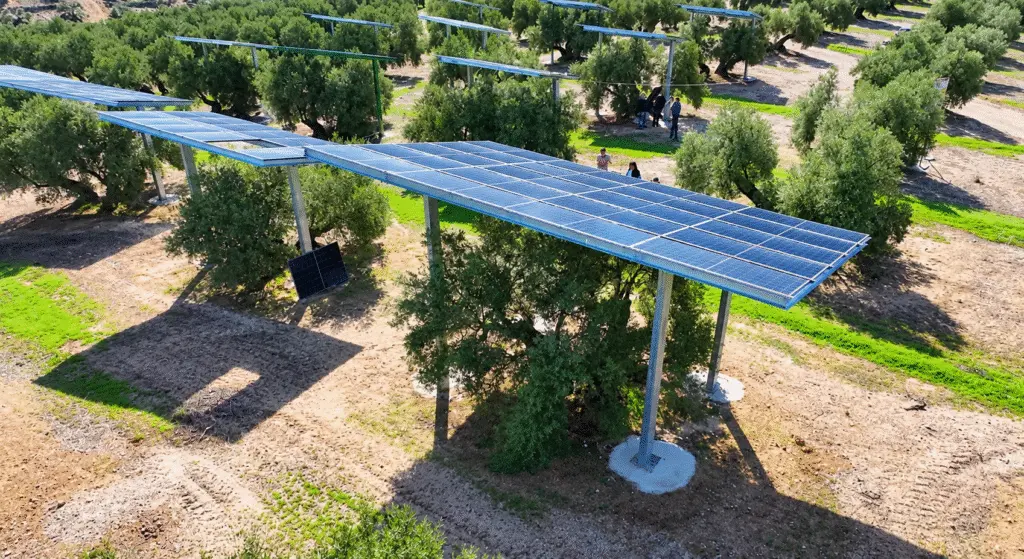
Control Areas Provide Data for Future Agrivoltaic Standards
Because the trees in Vilches have not yet completed a full harvest cycle under the new solar canopy, the long-term impact on productivity remains to be seen. To address this uncertainty, the project includes a rigorous scientific monitoring component. Approximately 20% of the land has been left without panels to serve as a control area. Researchers from the University of Jaén are currently using this space to compare the performance of shaded trees against those in open fields. They are specifically measuring water stress levels, soil temperature, and overall fruit quality to determine the feasibility of this model for other producers. 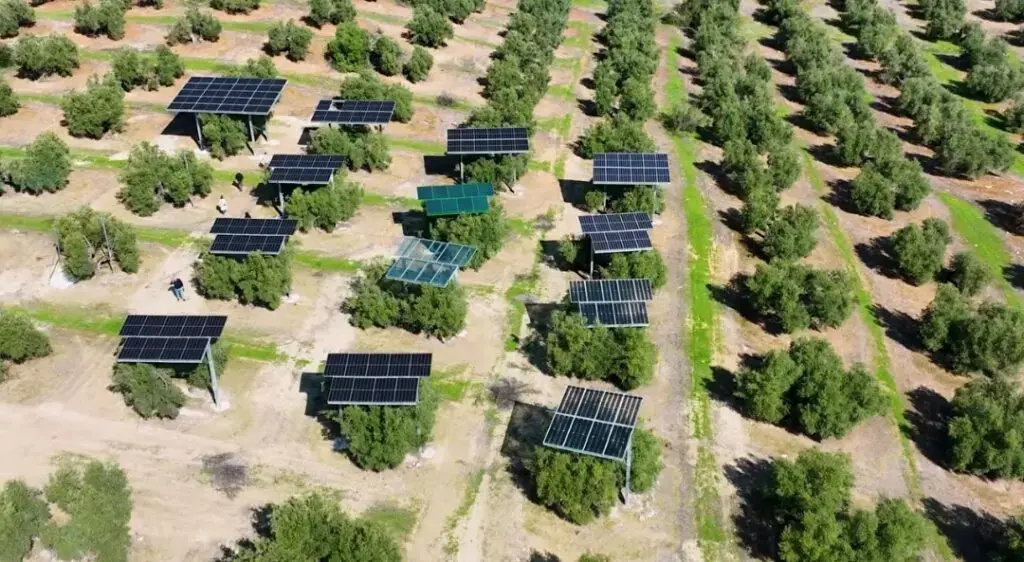
Turkish Laws Protect Olive Groves from Energy Infrastructure Projects
The Spanish model presents a stark contrast to the legal landscape in Turkey, where olive groves are protected by Law No. 3573, dating back to 1939. This legislation prohibits the establishment of any facility that produces dust, smoke, or chemical waste within three kilometers of olive-growing areas, with the exception of olive oil processing plants. The debate over whether to open these lands to energy and mining investments has been a point of significant public and legal contention for years.
Recent legislative changes, such as Law No. 7554 effective as of July 2025, have allowed for specific mining activities related to electricity generation in certain regions like Muğla, provided that at least twice as many new trees are planted elsewhere. However, this regulation faced immediate pushback, with 260 members of parliament petitioning the Constitutional Court for its annulment. The court has accepted the case for a detailed review, highlighting the ongoing struggle between industrial development and agricultural preservation in the country. 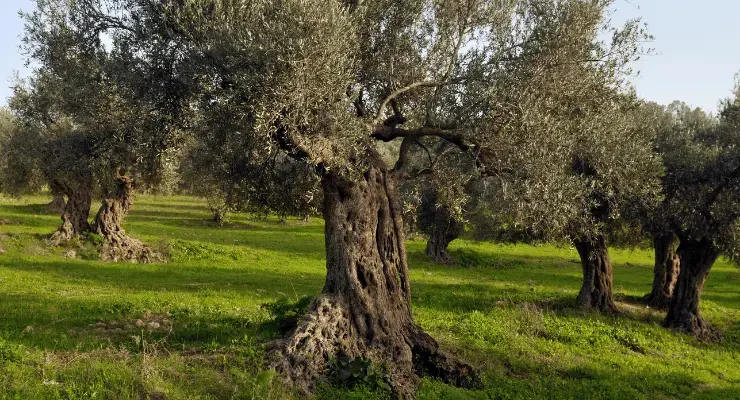
Innovative Projects May Resolve the Conflict Between Energy and Agriculture
As global demand for both renewable energy and sustainable food production grows, the Spanish experiment offers a potential middle ground. Rather than forcing a choice between energy and olives, the agrivoltaic approach suggests that the same land can serve two purposes simultaneously. The data emerging from Jaén will be vital for other Mediterranean nations. If the research proves that the impact of shading is minimal or even beneficial under certain conditions, this dual-use strategy could become a standard for the future of sustainable farming.
Do you believe that solar panels and traditional agriculture can coexist effectively, or should energy production be kept entirely separate from food-producing lands? Share your thoughts and join the discussion in the comments below!
Your comment has been submitted,
it will be published after approval.