
Hospitals Transition to Digital Consent via SMS and e-Nabiz

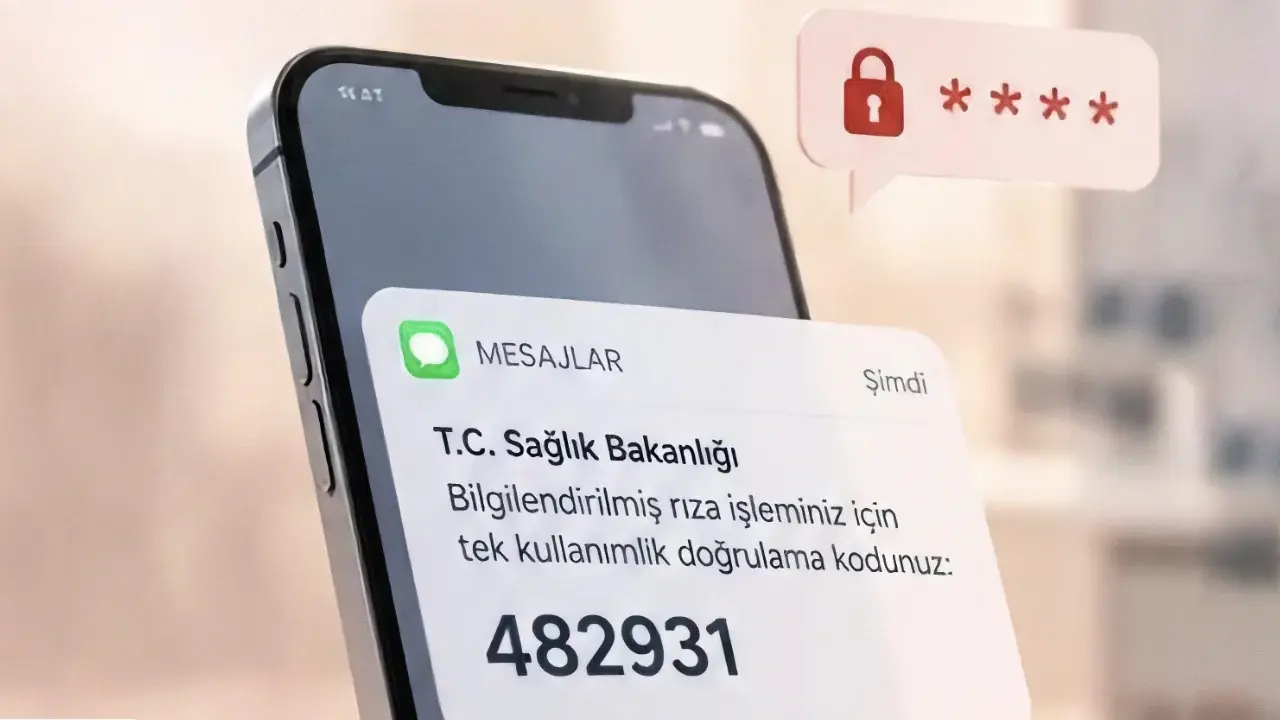
The Turkish Ministry of Health has officially launched a major digital transformation initiative, effectively ending the traditional era of wet signatures in hospitals. According to the new regulation published in the Official Gazette, informed consent forms for medical procedures will now be managed entirely through digital channels. This significant administrative shift replaces cumbersome paper-based documentation with a secure system utilizing SMS-based verification codes and the e-Nabiz platform. By transitioning to this digital model, the ministry aims to streamline hospital operations, reduce bureaucratic burdens, and enhance the efficiency of healthcare delivery for patients across the country.
- The Ministry of Health has replaced paper-based wet signatures with digital consent processes to improve hospital efficiency.
- Patients can now authorize medical procedures through the e-Nabiz platform or via one-time SMS verification codes.
- All electronic consent records are securely stored in a centralized database managed by the Ministry of Health.
- Verified phone numbers remain valid for digital consent processes for a period of twelve months.
Digital Alternatives Ensure Consent Process Convenience
The new regulatory framework introduces two primary methods for patients or their legal representatives to provide consent for surgeries and invasive procedures. This dual-track approach ensures that technology remains accessible to all citizens regardless of their digital literacy levels. Patients may choose to review detailed information forms directly through the e-Nabiz application’s “Consents and Approvals” menu, providing a comprehensive understanding of the planned medical intervention. Alternatively, those who prefer a more immediate process can utilize a single-use verification code sent directly to their registered mobile device. Once this code is shared with the authorized healthcare personnel, the consent becomes legally binding and is recorded instantly.
Security Protocols Protect Patient Information
To prevent unauthorized actions and mitigate risks associated with incorrect contact information, the government has implemented rigorous security measures. Before any SMS-based consent process can proceed, healthcare institutions are strictly required to verify the patient’s current mobile phone number. Once confirmed, this verified contact information remains valid for all electronic consent procedures for a full calendar year. If a patient changes their phone number during this period, the system mandates a re-verification process to maintain data integrity and prevent potential security breaches.
Centralized Records Improve Healthcare Transparency
This digital infrastructure offers significant advantages for long-term patient record management and transparency. Because every electronic consent is automatically transmitted to the Ministry of Health’s centralized database, the risk of losing critical medical documentation is eliminated. Patients gain the capability to track their healthcare history by viewing past consent forms, procedural details, and their own authorization records at any time through their e-Nabiz profiles. This transition not only reduces paper waste within the medical sector but also empowers patients to have full oversight of their medical journey through a secure, standardized, and accessible digital environment.
We would like to hear your thoughts on this shift toward digital healthcare administration; do you believe this move to SMS and e-Nabiz verification will simplify your hospital visits, or do you have concerns regarding the transition? Please share your opinions in the comments section below.
Your comment has been submitted,
it will be published after approval.