
iPhone 18 Pro Face ID Fails With Matte Screen Protectors

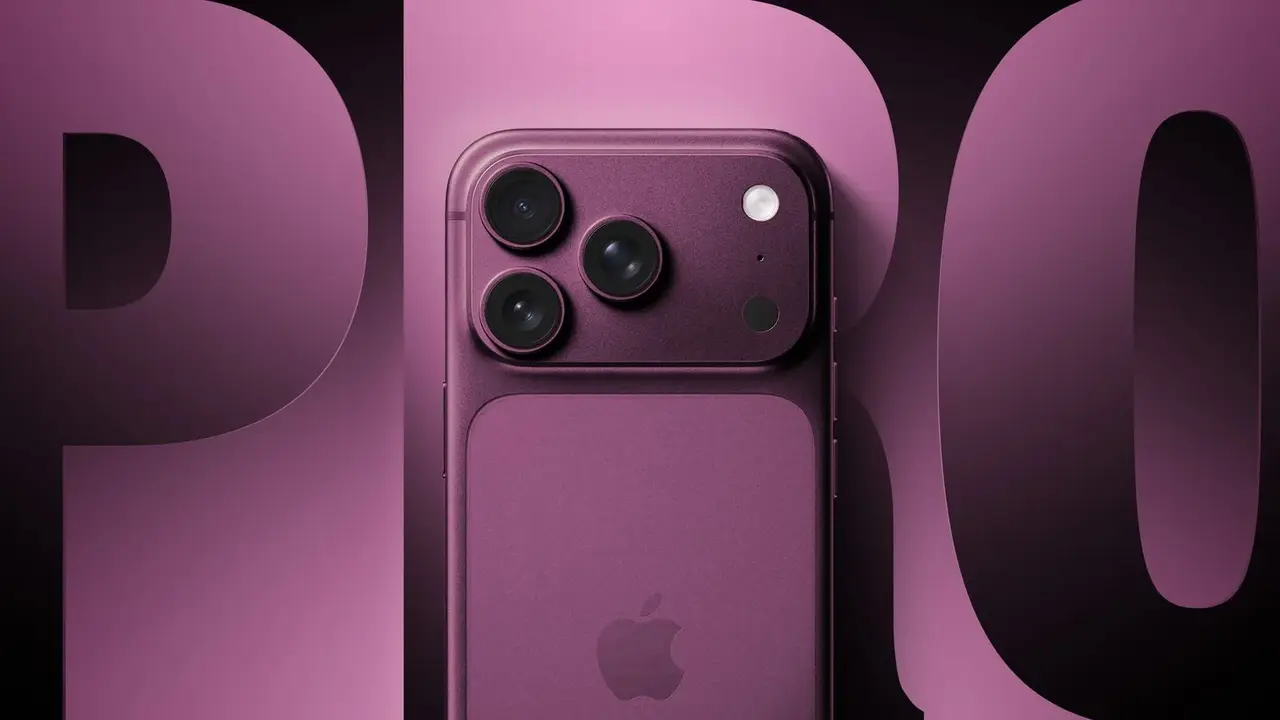
Apple’s highly anticipated iPhone 18 Pro has officially introduced a significant hardware shift by moving the Face ID infrared sensors beneath the display, effectively reducing the size of the Dynamic Island. While this engineering feat marks a major leap in smartphone design, early testing has revealed a critical functional limitation: the device experiences significant authentication failures when users apply matte or frosted screen protectors. Because the under-display Face ID technology relies on precise infrared light transmission, these textured accessories scatter the light, preventing the sensor from accurately mapping the user’s facial features for secure biometric verification.
- The iPhone 18 Pro utilizes an under-display infrared sensor array that requires a clear path for light transmission.
- Matte and privacy-focused screen protectors cause light refraction that results in Face ID authentication failures.
- Apple recommends the use of traditional, ultra-clear tempered glass protectors to maintain full biometric functionality.
How Under-Display Face ID Operates
To achieve a more seamless display experience, Apple engineers have reduced the pixel density in the upper-left corner of the iPhone 18 Pro and Pro Max screens. This specialized transparent region allows infrared light to pass through the OLED panel without significant interference. By embedding the sensor hardware behind the display, the company has successfully eliminated the need for a larger physical notch or cutout, streamlining the front profile of the device while maintaining high-security standards for the Face ID system.
Why Matte Protectors Disrupt Biometric Scanning
Recent technical analysis conducted by industry experts, including content creator Dave Lee, highlights the extreme sensitivity of this new optical configuration. The micro-textured surface characteristic of matte or anti-glare screen protectors is designed to diffuse ambient light to reduce reflections. Unfortunately, this same property causes the infrared beams projected by the iPhone 18 Pro to scatter, leading to a distorted reflection that the under-display sensors cannot interpret. As a result, the biometric system fails to recognize the user, rendering the authentication process entirely non-functional.
Which Screen Protector Options Should Be Chosen
In light of these findings, owners of the new iPhone 18 Pro series must reconsider their accessory choices to ensure the device remains secure and convenient. While matte and privacy-shield options are popular for their aesthetic and functional benefits, they currently interfere with the hardware requirements of the under-display sensor. Consequently, users are advised to switch to high-clarity, transparent tempered glass protectors, which allow infrared light to pass through without the refractive issues caused by textured surfaces. Adhering to this guidance ensures that the device maintains its expected level of performance without compromising biometric security.
Have you encountered any issues with screen protectors on your new iPhone 18 Pro, or do you prefer using your device without one? Share your experiences and thoughts in the comments section below.
Your comment has been submitted,
it will be published after approval.