
Mafia: The Old Country Brings the Franchise Back to Its Bloody Roots

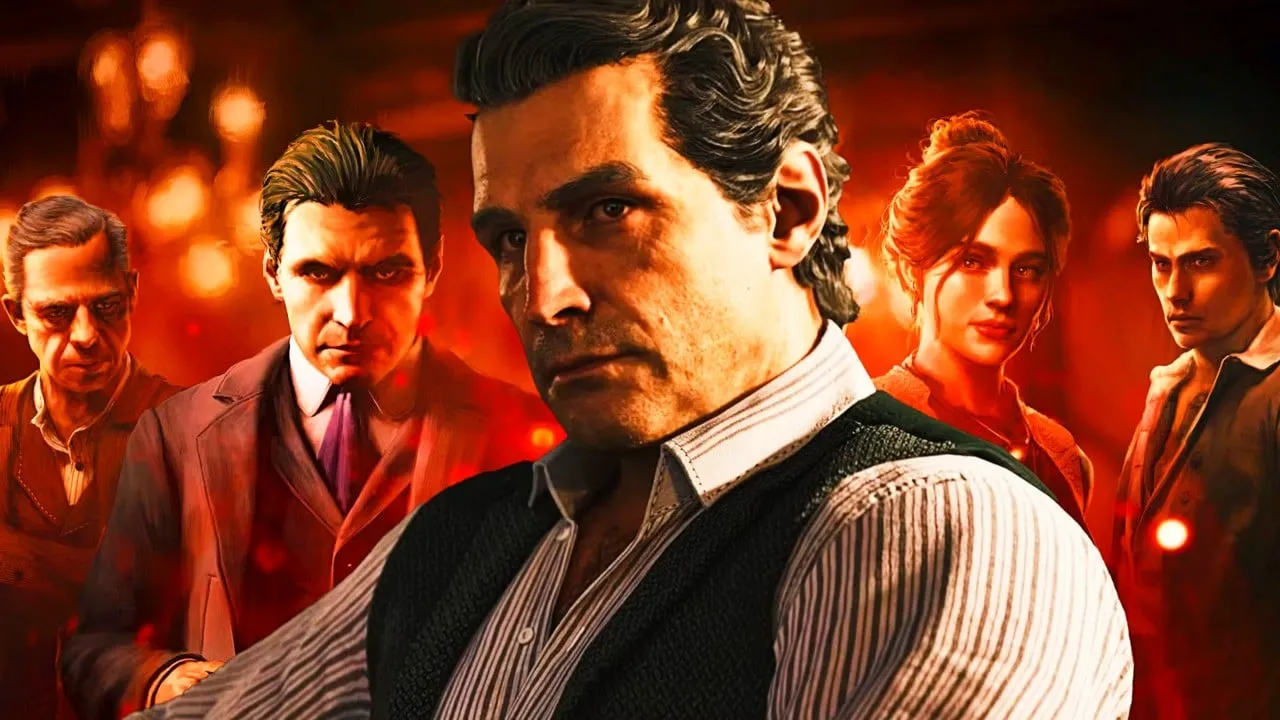
Mafia: The Old Country doesn’t try to reinvent open-world crime games. Instead, it strips the formula down to what made the original hit so memorable: personal stories, tight structure, and moral weight. Set in early 1900s Sicily, this prequel follows Enzo Favara, a young laborer forced into the criminal underworld. His transformation isn’t driven by ego or ambition; it’s survival.
Mafia: The Old Country ditches bloat for storytelling
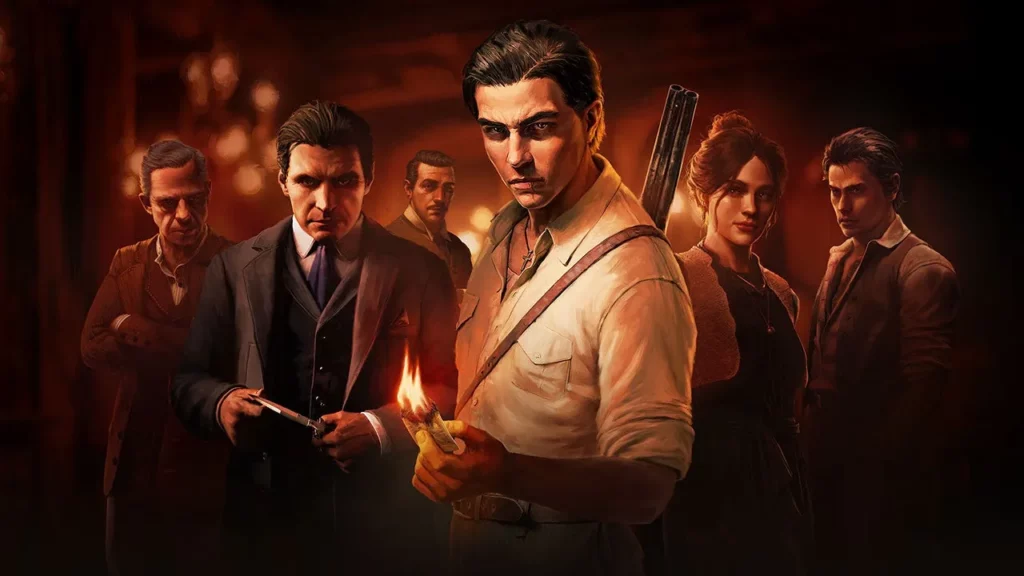
Forget side quests, skill trees, or scavenger hunts. This game is linear, and that’s a strength. Every mission matters. Each decision pushes the story forward. It’s a bold shift from today’s open-world overload, but it works. The focused design puts all the weight on pacing and character, and both deliver.
New games to be added to Game Pass announced
A rich world without mechanical flash
Sicily looks stunning. The dusty backroads, candlelit homes, and rain-slicked cobblestones all help the setting feel lived-in. You’ll hear gossip in alleys, smell the firewood smoke, and notice how time slows in quiet corners. The gunplay and stealth systems, while functional, feel safe. They serve the story rather than steal the spotlight.
What the game nails and where it falls short
- Hits: Beautiful world-building, emotional narrative, excellent performances
- Misses: Simplistic combat, weak enemy AI, low replay value
A character-driven crime drama that holds focus
Enzo isn’t a gangster from the jump. The game makes you feel the weight of his choices. Loyalty, guilt, and blood all pull at him from different sides. Rather than glorifying the mob, the story shows the cost of every step deeper. That clarity grounds the experience in something stronger than just action.
Mafia: The Old Country reclaims what the series lost
This isn’t about empire-building or flashy shootouts. It’s about the slow, grim erosion of a man’s conscience. In doing that, it reminds players what Mafia can be when it stops trying to keep up with bigger-budget chaos. It’s tighter, leaner, and most importantly, true to its soul.
Your comment has been submitted,
it will be published after approval.