
OpenAI Releases Powerful GPT-6 Astra for Software Engineering

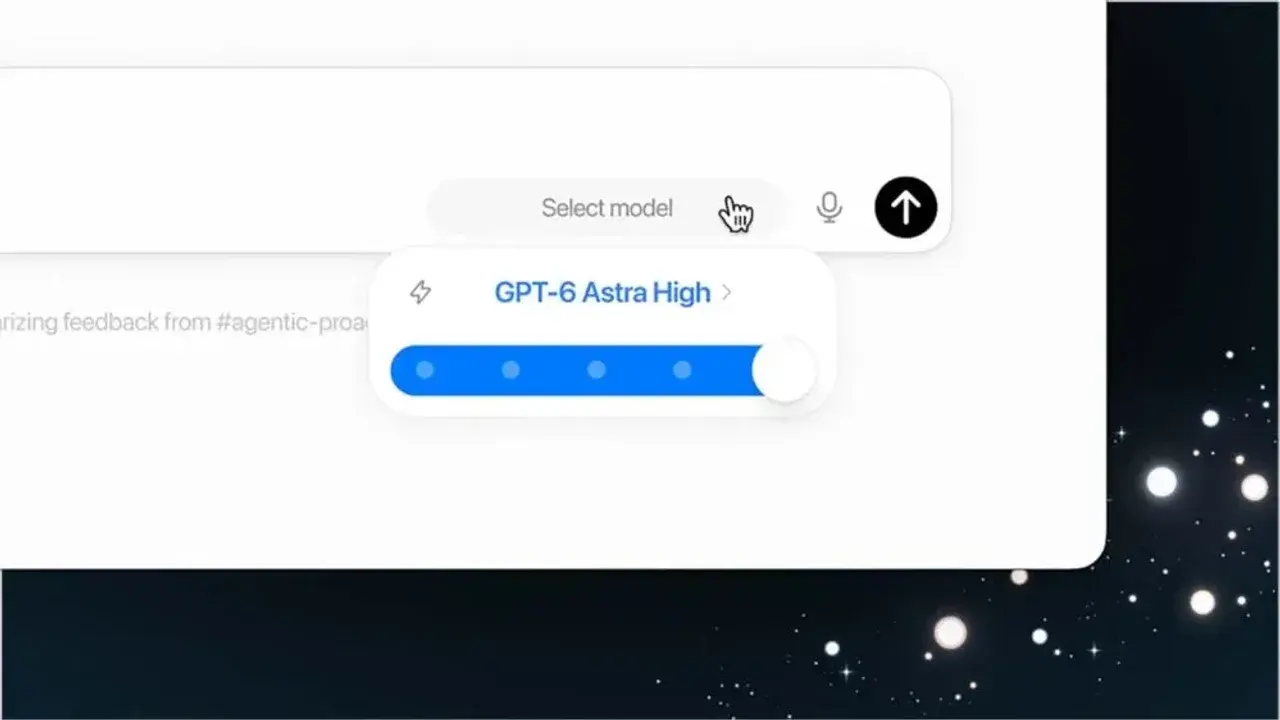
OpenAI has officially launched its most advanced artificial intelligence model, GPT-6 Astra, to a global audience. Previously restricted to a select group of participants within the Daybreak program, this cutting-edge technology is now available to all paid subscribers of ChatGPT Work and the Codex platform as of September 2026. Designed specifically to enhance technical workflows, the model marks a significant milestone in AI-assisted development. By outperforming competitors like Anthropic’s Fable model in rigorous technical benchmarks, GPT-6 Astra establishes a new benchmark for automated coding, debugging, and complex software architectural tasks, providing developers with unprecedented levels of precision and speed.
- OpenAI has expanded access to the GPT-6 Astra model for all ChatGPT Work and Codex subscribers.
- The model consistently outperforms the Anthropic Fable system in technical software engineering evaluations.
- New capabilities allow the AI to execute complex browser-based tasks and automate digital workflows efficiently.
Software Engineering Standards Are Being Redefined
The introduction of GPT-6 Astra represents a major shift in how developers approach high-level programming challenges. By leveraging deep integration with actual code bases, the model demonstrates remarkable resilience when navigating technical obstacles. Engineers can now utilize the system to manage intricate algorithms and structure large-scale projects with increased confidence.
The speed at which GPT-6 Astra delivers results allows development teams to optimize their internal workflows significantly. In environments where time-to-market is critical, the model’s low-latency response times provide a distinct competitive advantage. By minimizing the time spent on manual debugging and boilerplate code generation, developers are empowered to focus on higher-level creative architecture.
Digital Workflow Automation Is Being Enhanced
Beyond its proficiency in writing code, GPT-6 Astra introduces sophisticated capabilities for managing browser-based environments and computer interactions. This evolution in functionality allows users to automate repetitive digital tasks, creating a more fluid experience across various web-based applications. The system acts as an intelligent layer that bridges the gap between human intent and software execution.
OpenAI has prioritized user feedback to ensure the model adapts seamlessly to specific project requirements. Through continuous optimization, the platform has reached a level of reliability that meets professional standards for complex task management. This focus on accuracy is crucial for developers who rely on AI to maintain the integrity of their digital ecosystems. As the model continues to learn from real-world interactions, its ability to handle nuanced requests becomes increasingly robust, cementing its role as an essential tool for the modern digital professional.
As GPT-6 Astra begins to transform the landscape of software development and browser-based automation, we want to hear your thoughts. How do you envision this leap in performance affecting the daily routine of software engineers and developers in the coming year?
Your comment has been submitted,
it will be published after approval.