
TSMC CEO Mocks Samsung Over Long-Term Market Leadership Goals

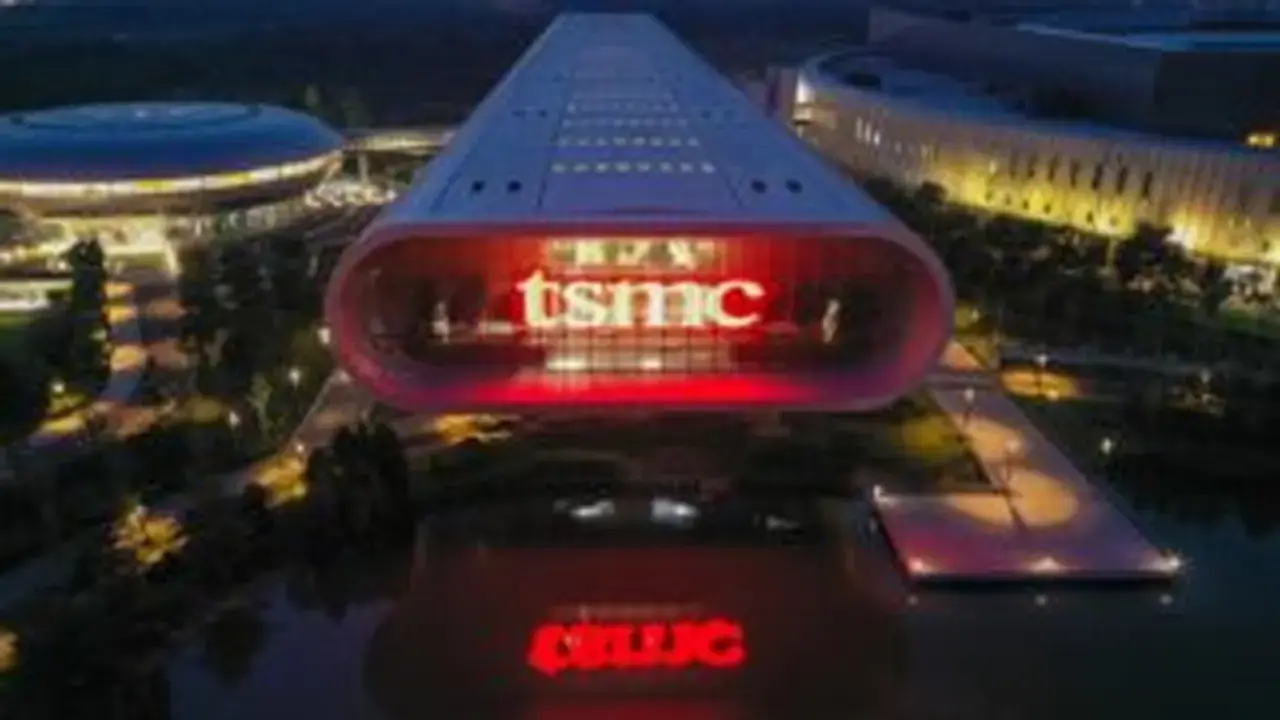
During a recent shareholder meeting held this week, TSMC CEO C.C. Wei delivered a sharp critique regarding Samsung’s persistent ambition to overtake the Taiwanese foundry giant in the semiconductor market. As TSMC continues to maintain its undisputed dominance with a massive 70% global market share, Wei dismissed Samsung’s recurring claims that they would close the gap within a decade as unrealistic rhetoric. By highlighting that these promises have been repeated for years without materializing into a shift in market hierarchy, Wei suggested that Samsung’s strategic vision remains disconnected from the competitive reality of the chip manufacturing industry.
- TSMC currently maintains a dominant 70% share of the global semiconductor foundry market.
- Samsung continues to hold approximately 7% of the market despite significant long-term capital investments.
- Rising demand for artificial intelligence hardware makes advanced packaging technologies increasingly critical for industry leaders.
Industry Competition Remains Highly Imbalanced
The remarks made by C.C. Wei surface during a period of unprecedented demand for artificial intelligence hardware. While both tech giants are investing billions of dollars into advanced node technologies, including sub-2nm processes, market data confirms a significant chasm between the two firms. TSMC remains the primary choice for industry leaders like NVIDIA, largely due to its superior transistor density and specialized solutions such as CoWoS advanced packaging.
TSMC’s success stems from a combination of technological superiority and flawless manufacturing discipline.
Samsung Excels in Memory Technology Sectors
Acknowledging Samsung’s technological prowess is essential, as the South Korean firm remains a global powerhouse in memory manufacturing and High Bandwidth Memory (HBM) production. C.C. Wei openly admitted that Samsung holds a distinct advantage in these specific domains. However, the foundry business model operates on an entirely different ecosystem, requiring unique production workflows and highly specialized customer relationship management strategies that differ significantly from memory production.
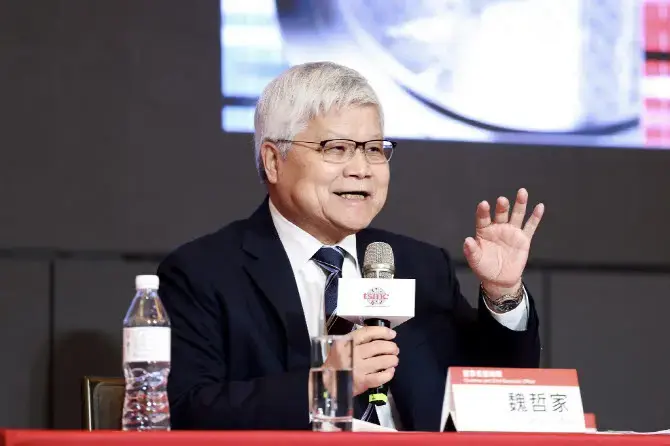
Manufacturing Discipline Defines Market Success
The sustained leadership of TSMC is rooted in consistent production yields and deep-seated customer loyalty built over several decades. This intricate manufacturing ecosystem cannot be replicated by competitors simply by increasing short-term capital expenditures. According to Wei, Samsung’s habit of setting ten-year deadlines serves more as a branding exercise than a functional roadmap to resolve their core operational challenges.
TSMC treats technological advancement as an everyday production reality rather than a distant goal.
Future Trends Depend on Artificial Intelligence Developments
The trajectory of this industry rivalry will remain inextricably linked to the rapid evolution of the artificial intelligence sector. As chip complexity increases, the ability to maintain high yields at scale becomes the ultimate barrier to entry. While Samsung may continue to innovate within its niche, the foundry market requires a level of consistency that currently favors the Taiwanese giant. Whether Samsung can eventually disrupt this hierarchy or if TSMC will further extend its lead remains a subject of intense debate among industry analysts as the next generation of semiconductors enters production.
Do you believe Samsung possesses the strategy required to finally challenge TSMC’s absolute dominance in the foundry sector, or is the gap now too wide to close? Share your thoughts on this high-stakes technological rivalry in the comments section below.
Your comment has been submitted,
it will be published after approval.