
Apple Begins 200-Megapixel Testing for iPhone!

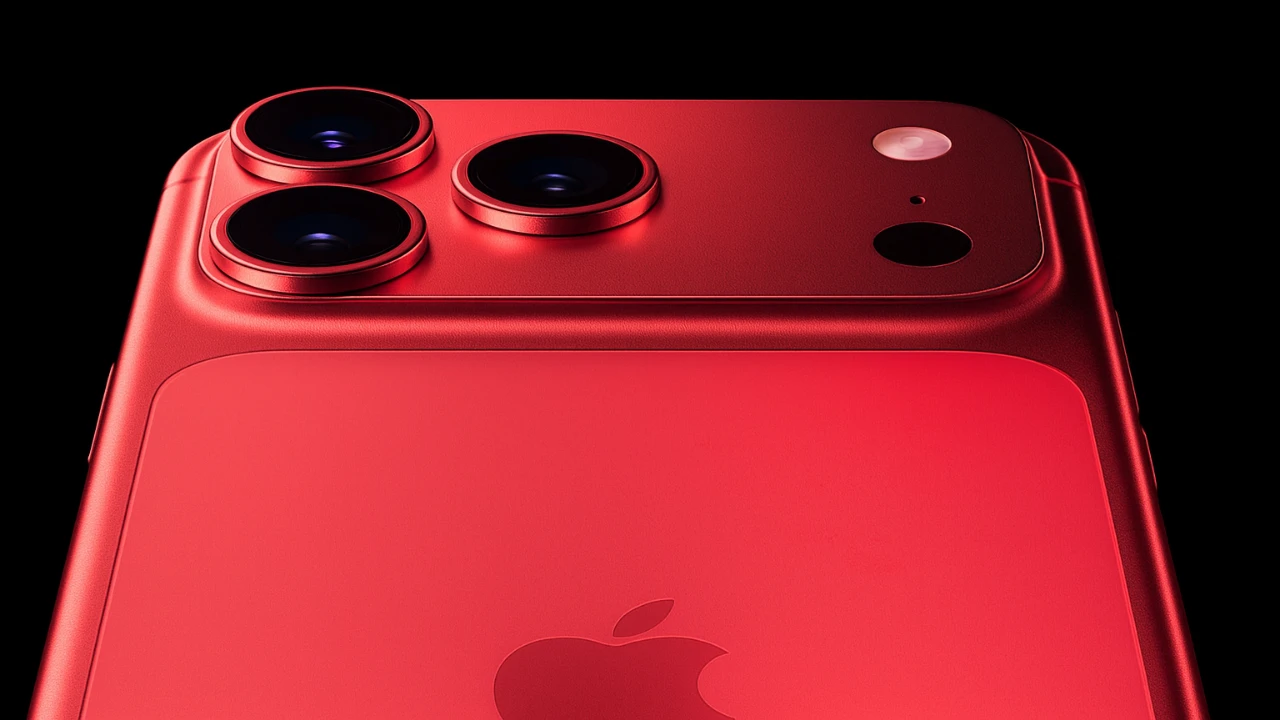
In the long-standing “megapixel wars” of the smartphone world, Apple has traditionally prioritized software-driven solutions. However, it appears the tech giant is now preparing to rewrite the rules. After years of resisting the trend toward massive hardware sensor sizes seen in Android rivals, leaked information suggests Apple is finally shifting its strategy. Reports indicate that Apple is actively testing a formidable 200-megapixel main camera sensor for future iPhone models.
New iPhone Could Feature a 200-Megapixel Sensor
According to a striking claim shared by Digital Chat Station, Apple has a massive 1/1.12-inch 200-megapixel sensor on its radar. This hardware size is a marvel typically reserved for boundary-pushing flagship devices, such as the upcoming Oppo Find X9 Ultra. The leak emphasizes that Apple is currently testing this high resolution specifically for the main camera, rather than pursuing a 200 MP strategy across all lenses.
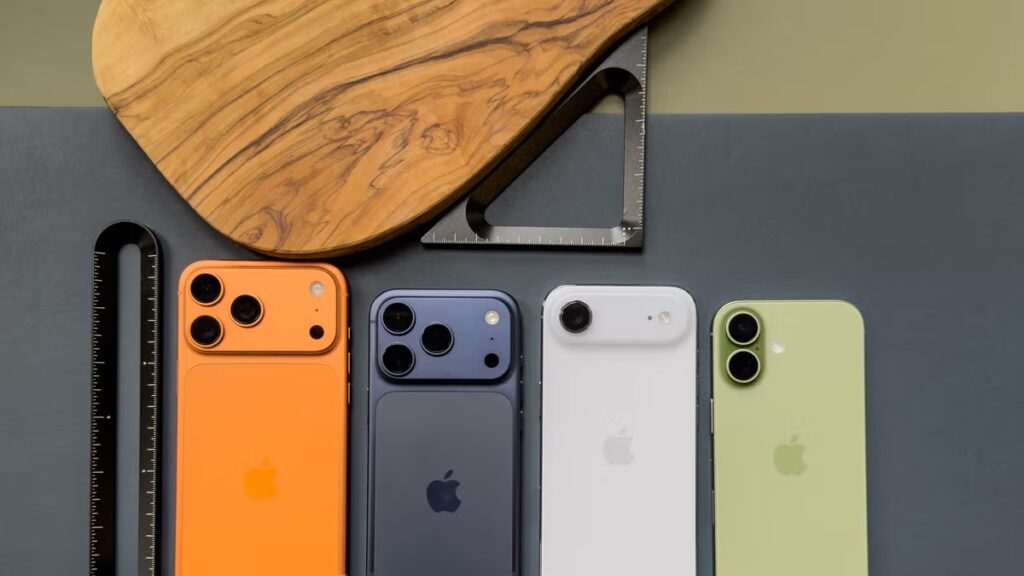
It remains a significant question whether these behind-the-scenes tests will materialize as early as the iPhone 18 or a later series. Apple’s hardware testing cycles often span a long period before a feature reaches a commercial product. Whispers from the supply chain suggest that this technology might only be commercialized in next year’s models at the earliest.
Did Android Intimidate Apple?
Why is Apple making this move now? The answer becomes clear when looking at Chinese manufacturers. For instance, Oppo has confirmed that its Find X9 Ultra, set for a global launch in April, will feature two 200 MP cameras. This device includes a Sony LYT-901 based 1/1.12-inch 200 MP main sensor, accompanied by a 200 MP periscope camera with 3x optical zoom. With a second 10x optical periscope and a 50 MP ultra-wide lens, these Android flagships are putting market pressure on Apple’s “lower megapixels, perfect software” strategy.
For years, Apple maintained its lead through computational photography, advanced Image Signal Processors (ISP), and superior video capabilities without drastically increasing sensor resolution. However, the staggering hardware levels reached by the Android camp seem to be forcing the Cupertino-based company to pivot toward hardware leaps.
Your comment has been submitted,
it will be published after approval.