
DDR5 RAM Prices Could Stabilize in 6–8 Months, Says Sapphire PR Rep

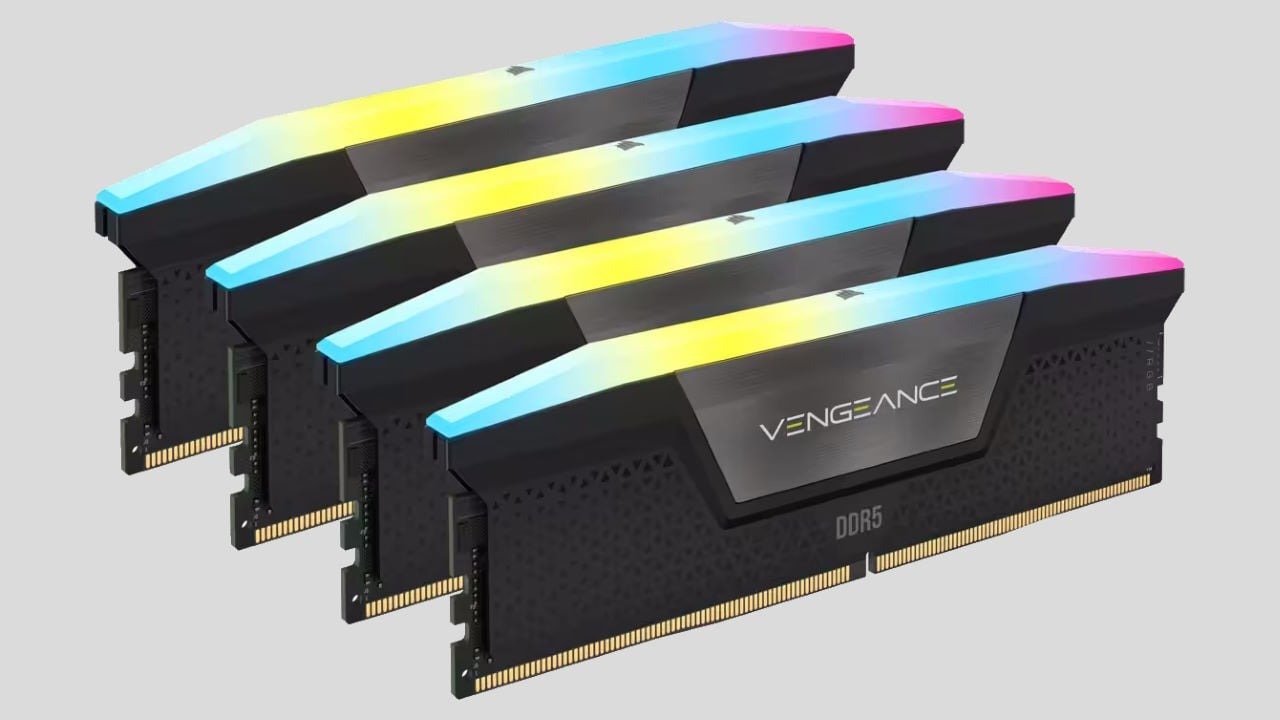
Soaring DDR5 RAM prices are testing the patience and budgets of PC gamers. But according to Sapphire’s PR manager Edward Crisler, this surge may not last much longer. Speaking on The Hardware Unboxed Podcast, he offered a blunt piece of advice: don’t panic buy.
DDR5 RAM prices are high but panic is part of the problem
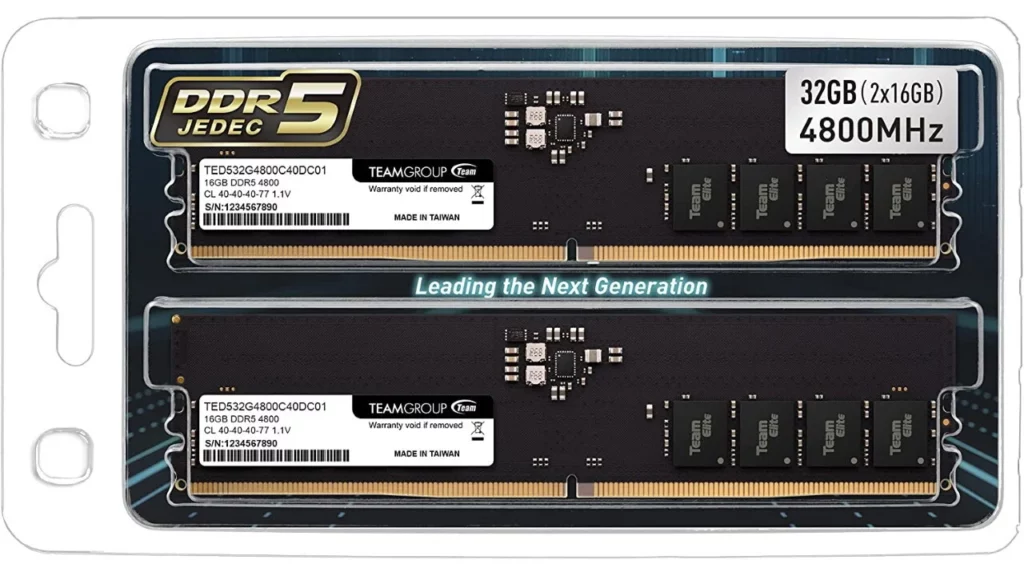
Gamers trying to finish builds are staring down shockingly high memory prices. In some cases, they’re pausing purchases on cases, motherboards, or even GPUs that depend on VRAM. While shortages and inflation are real, Crisler says part of the chaos is emotional not logistical.
“We’ve been here before,” he notes. And he’s right. During tariff scares, many vendors raised prices preemptively, even on unaffected products. The same reaction is happening now with DDR5, as buyers expect worst-case scenarios and vendors brace for the unknown.
Fallout: New Vegas Mod Long 15 Rebuilds Pre-War NCR With 200+ NPCs
DDR5 RAM prices could ease by mid-2025
Crisler projects a turnaround within six to eight months. He points to current market confusion, not raw scarcity, as the primary pressure point. Once that settles, prices may fall into a more sustainable rhythm assuming no new curveballs hit the tech sector.
Still, he doesn’t sugarcoat the short-term. DDR5 memory costs remain a roadblock for many gamers, especially with AI data centers driving demand and manufacturers like Samsung and SK Hynix holding off on expanding production.
A look back at past panic buying in PC hardware
This isn’t the first time PC hardware has triggered a buying frenzy. The GPU shortage during the crypto boom, flash memory inflation, and tariff-induced chaos have all sent buyers scrambling. History shows that panic rarely helps and often hurts more.
Here’s how past panic buying has played out:
- Price hikes spread to unrelated components
- Inventory dries up fast, worsening actual shortages
- Resellers and scalpers take advantage
- Consumers end up with mismatched or compromised builds
Crisler’s warning echoes those patterns. The more buyers react emotionally, the more instability enters the system.
Gamers may need to adapt, but they’ve done it before
Even if DDR5 RAM prices don’t cool off as predicted, Crisler believes the community will adjust. Many already have. Some builders are using less memory or sticking with DDR4 setups. Others are optimizing existing machines instead of upgrading.
Gamers have weathered worse. Price swings are part of the cycle, and so is patience. Just because the memory market looks messy now doesn’t mean it stays that way. Wait it out fast clicks cost trust.
Your comment has been submitted,
it will be published after approval.